
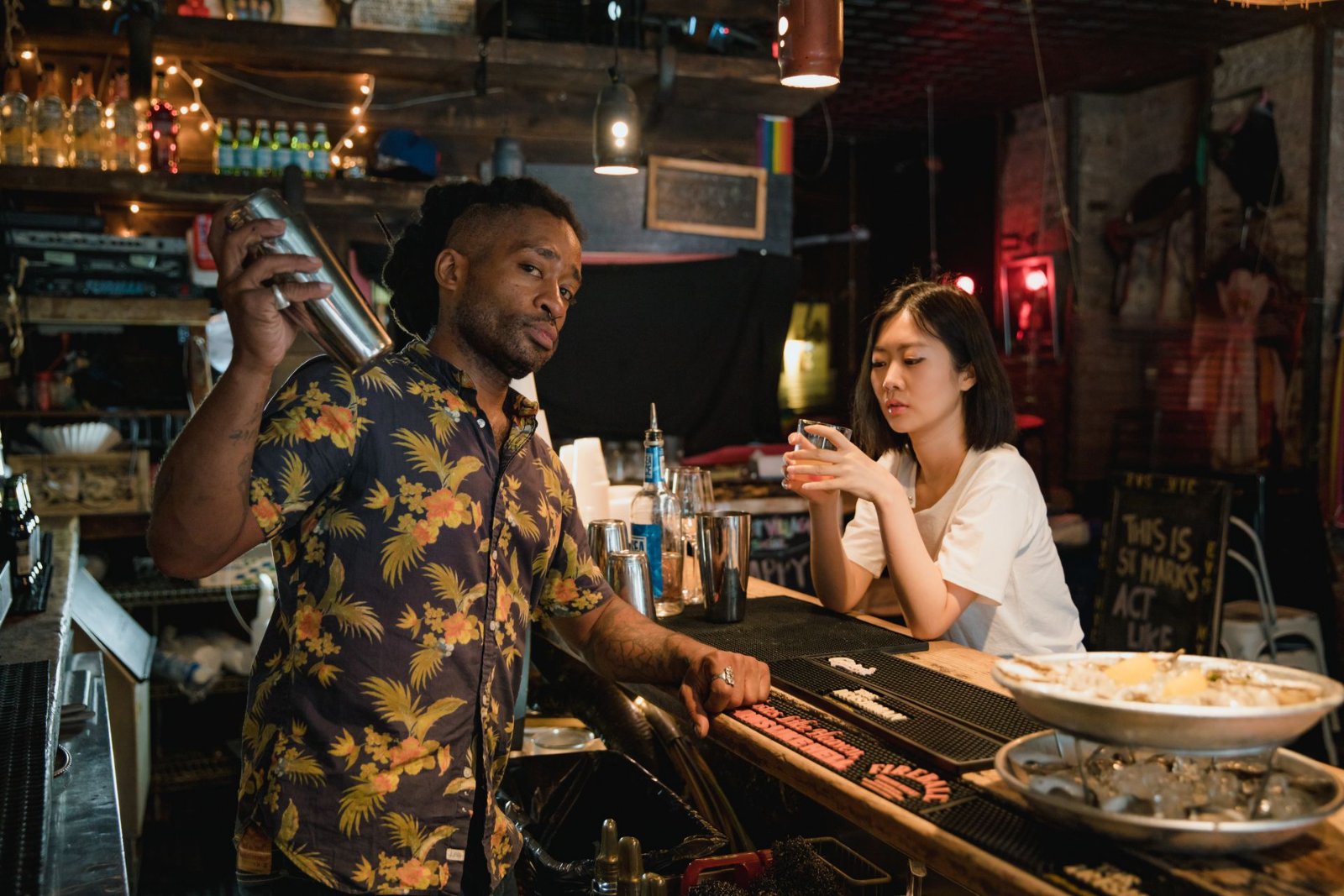
If you clicked on this article expecting a hot take designed to shock you, you’re partially right — but stick with us, because what we’re about to explore is grounded in real psychology, lived experience, and a growing body of research that challenges the all-or-nothing approach to alcohol recovery and moderation. We’re not here to dismiss the very real struggles of addiction or to minimize the importance of sobriety programs. Instead, we’re here to have an honest, nuanced conversation about how social exposure, controlled environments, and community-based approaches might actually serve people better in the long run than rigid abstinence-only frameworks.
And yes, we’re going to talk about bar crawls — specifically the kind organized by groups like Barcrawlerz right here in Portland, OR — as a surprising but legitimate tool in the broader conversation about healthy relationships with alcohol.
Understanding the Problem with Forced Abstinence: What the Research Actually Says
Let’s start with the science, because this conversation deserves a solid foundation. Forced abstinence programs — those that demand complete, immediate, and permanent cessation of alcohol consumption — have been a cornerstone of addiction treatment for decades. And for many people, complete abstinence is absolutely the right path. Nobody is disputing that.
However, research published in journals like Addiction and Alcohol and Alcoholism has consistently shown that abstinence-only approaches have high relapse rates, particularly among individuals who don’t have severe alcohol use disorder but who are instead struggling with problematic drinking patterns. The National Institute on Alcohol Abuse and Alcoholism (NIAAA) has found that only about one-third of people who address alcohol problems have no further symptoms one year later — and many of those people did so without formal treatment programs.
“The goal of treatment should be matched to the individual’s needs, not imposed based on a one-size-fits-all ideology. For many people, learning to manage and moderate alcohol use in social settings is a more sustainable and realistic outcome than lifelong abstinence.”
This is where the conversation gets interesting — and where Portland’s vibrant social scene, including organized bar crawls, enters the picture in a way you might not expect.
The Psychology of Forbidden Fruit: Why “Never Again” Can Backfire
Psychologists have long studied what’s known as the “forbidden fruit effect” — the phenomenon where telling someone they absolutely cannot have something makes that thing exponentially more desirable. This isn’t weakness or lack of willpower; it’s a deeply embedded cognitive pattern that affects almost all human beings.
The Ironic Process Theory and Alcohol Cravings
Daniel Wegner’s famous ironic process theory demonstrated that when we try to suppress a thought or desire, we actually increase our focus on it. Tell yourself not to think about a pink elephant, and you’ll think about nothing else. Apply this to alcohol cravings, and you can begin to understand why some people in rigid abstinence programs experience intensified cravings precisely because they’re trying so hard not to think about drinking.
Forced abstinence, particularly when it’s externally imposed rather than internally motivated, can create a psychological pressure cooker. The individual isn’t learning to navigate their relationship with alcohol — they’re simply avoiding it. And avoidance, as any therapist will tell you, is not the same as healing.
Exposure Therapy: The Science Behind Facing Your Triggers
Exposure therapy is a well-established psychological technique used to treat phobias, PTSD, and anxiety disorders. The core principle is simple: gradual, controlled exposure to a feared or triggering stimulus, in a safe environment, reduces the power that stimulus has over an individual over time.
Now, here’s where the bar crawl concept starts to make a lot more sense. For someone working on their relationship with alcohol — not necessarily someone in acute addiction recovery, but someone who wants to build healthier habits and social patterns — spending time in bar environments without drinking, or with intentional and moderate drinking, can serve as a form of real-world exposure therapy.
Portland, OR, is one of the most socially active cities in the Pacific Northwest, with a bar and restaurant culture that’s deeply woven into its social fabric. From the Pearl District to Mississippi Avenue, from Division Street to the Alberta Arts District, socializing in Portland almost always involves bars and breweries. Learning to navigate these environments confidently — whether you’re drinking or not — is a genuinely valuable life skill.
What Bar Crawls Actually Teach You About Yourself and Alcohol
Here’s something that might surprise you: organized bar crawls, done right, are actually incredible environments for self-discovery and social skill-building. We’re not talking about chaotic, unstructured pub crawls where the goal is maximum intoxication. We’re talking about intentionally organized social experiences like those offered by Barcrawlerz in Portland — events designed to bring people together, foster connection, and create memorable experiences in a structured, community-oriented setting.
Learning to Socialize Without Relying on Alcohol as a Crutch
One of the most underrated benefits of participating in bar crawls — especially as someone who is consciously working on their relationship with alcohol — is the opportunity to practice socializing in environments where alcohol is present without using it as your primary social lubricant.
Many people who struggle with problematic drinking do so partly because they’ve never developed strong social confidence without alcohol. They’ve conditioned themselves to believe that they need a drink to be funny, interesting, relaxed, or likable. Spending time in bar environments with a supportive group, where the focus is on connection and fun rather than drinking, can gradually dismantle this belief system.
When you’re on a bar crawl with Barcrawlerz and you’re genuinely laughing, connecting with strangers, and having the time of your life — all while being fully present and aware — you start to internalize a powerful truth: you don’t need alcohol to have a great time. That realization, earned through experience rather than preached at you in a meeting room, tends to stick.
Peer Influence and Social Norms: The Power of the Group
Human beings are profoundly social creatures. Our behavior is shaped enormously by the people around us and the norms of the groups we belong to. This is why the company you keep during a bar crawl matters enormously.
Organized bar crawls that attract a diverse, socially conscious crowd — including people who are sober, people who drink moderately, and people who are simply there for the social experience — create a normalized environment where not drinking is just as acceptable as drinking. This stands in stark contrast to the binary world of many abstinence programs, where you’re either “in recovery” or you’re “drinking,” with very little room for nuance.
Portland’s bar crawl community, particularly through events organized by groups like Barcrawlerz, tends to attract exactly this kind of diverse, open-minded crowd. It’s part of what makes Portland’s social scene uniquely well-suited for this kind of nuanced approach to alcohol and social life.
The Community Factor: Why Connection Is the Real Antidote to Addiction
Johann Hari’s groundbreaking work on addiction, popularized in his book Chasing the Scream and a widely shared TED Talk, introduced many people to a radical reframing of addiction: the opposite of addiction isn’t sobriety — it’s connection.
Hari’s research drew on Bruce Alexander’s famous “Rat Park” experiments, which demonstrated that isolated rats in barren cages would consistently choose drug-laced water, while rats in enriched, social environments with plenty of stimulation and companionship largely ignored the drugs even when they were available. The implications for human addiction treatment are profound.
“If addiction is partly a response to disconnection, isolation, and lack of meaningful social bonds, then the solution isn’t to further isolate people by removing them from social environments. It’s to help them build genuine connections within those environments.”
How Bar Crawls Build Genuine Social Connection
This is where bar crawls, as a community-building activity, genuinely shine. A well-organized bar crawl isn’t just a drinking event — it’s a social event that happens to take place in bars. The shared experience of exploring Portland’s neighborhoods together, discovering new venues, meeting new people, and navigating the city as a group creates the kind of genuine human connection that research suggests is protective against addictive behavior.
People who participate in Barcrawlerz events in Portland regularly report that the friendships and social networks they build through these experiences are among the most authentic they’ve developed as adults. In a city where it can sometimes be hard to break into established social circles — a phenomenon Portlanders sometimes call the “Portland Freeze” — organized social events like bar crawls serve as genuine community builders.
Sober Participants Are Welcome and Celebrated
It’s worth emphasizing explicitly: you don’t have to drink to participate in a bar crawl. Many regular participants in Portland bar crawl events are completely sober or are intentionally limiting their alcohol intake. They’re there for the social experience, the exploration of the city, and the community — not the alcohol.
This is a crucial point that often gets lost in the framing of bar crawls as purely drinking events. The best organized crawls, including those put together by Barcrawlerz, are designed to be inclusive and welcoming regardless of what’s in your glass. Whether you’re sipping a craft mocktail, a sparkling water, or a locally brewed IPA, you’re part of the community.
Portland’s Unique Position in This Conversation
Portland, OR, is a city that has always been ahead of the curve when it comes to progressive thinking about health, wellness, and social norms. It’s the city that embraced craft brewing and artisan cocktail culture while simultaneously becoming a hub for wellness, mindfulness, and conscious living. These two things might seem contradictory, but in Portland, they coexist beautifully.
The Rise of Portland’s Mindful Drinking Movement
Portland has seen significant growth in what’s being called the “mindful drinking” movement — an approach to alcohol that emphasizes intentionality, moderation, and awareness rather than either complete abstinence or unrestricted consumption. Local bars and breweries have responded to this trend by dramatically expanding their non-alcoholic offerings, with sophisticated mocktails, non-alcoholic beers, and alcohol-free spirits becoming standard menu items at many of the city’s most beloved establishments.
This cultural shift makes Portland an ideal city for the kind of nuanced, middle-ground approach to alcohol that we’re discussing. When you’re on a bar crawl through Portland’s neighborhoods and you can order a beautifully crafted non-alcoholic cocktail at virtually every stop, the social pressure to drink alcohol diminishes significantly. You can fully participate in the experience without compromising your personal goals around alcohol consumption.
Portland’s Brewery and Bar Scene: A Laboratory for Mindful Drinking
With more breweries per capita than almost any other American city, Portland might seem like an unlikely setting for conversations about sobriety and mindful drinking. But in reality, the sophistication of Portland’s beer and bar culture has created a community that’s remarkably nuanced about alcohol. Portlanders, by and large, appreciate quality over quantity. The culture is less about drinking to get drunk and more about appreciating craft, supporting local businesses, and enjoying the social experience.
This cultural context makes Portland’s organized bar crawl scene — including events from Barcrawlerz — a genuinely different experience from the stereotypical pub crawl. When you’re exploring Portland’s craft beer scene with a knowledgeable, enthusiastic group, the conversation is as likely to be about the brewing process, the history of the neighborhood, or the design of the venue as it is about how much you’ve had to drink.
Practical Ways Bar Crawls Support Long-Term Sobriety Goals
Let’s get concrete and actionable. If you’re someone who is working on your relationship with alcohol — whether you’re in a formal recovery program, practicing mindful drinking, or simply trying to build healthier habits — here’s how participating in organized bar crawls can actually support your goals.
Setting Personal Intentions Before the Event
One of the most powerful practices you can bring to a bar crawl is the simple act of setting a clear personal intention before you go. This might look like deciding in advance that you’ll have no more than two drinks over the course of the evening, or that you’ll alternate alcoholic drinks with water, or that you’ll drink nothing at all but will stay fully engaged with the social experience.
The act of setting this intention — and then successfully honoring it in a real-world social environment — is enormously empowering. It’s one thing to not drink when you’re alone at home. It’s quite another to be surrounded by people having a great time, with drinks flowing freely, and to consciously choose to stick to your personal commitment. That’s the kind of real-world practice that builds genuine self-efficacy around alcohol.
Using the Buddy System for Accountability
Bar crawls are inherently social events, which means they’re perfect environments for accountability partnerships. Bringing a trusted friend who knows your goals — and who can gently check in with you throughout the evening — transforms a bar crawl from a potential trigger situation into a supported practice environment.
Many participants in Barcrawlerz events in Portland have found that being part of a regular social group that knows and respects their goals around alcohol creates exactly this kind of organic accountability structure. You don’t need a formal sponsor or a structured program — you just need people who care about you and understand what you’re working toward.
Practicing Mindful Awareness in Real Time
Bar environments are sensory-rich, socially complex, and often emotionally charged — which makes them excellent training grounds for mindfulness practice. Paying attention to how you feel when you walk into a bar, noticing any cravings or social pressure that arise, observing how your mood shifts over the course of an evening, and staying connected to your body and your intentions — these are all mindfulness practices that become more powerful when they’re practiced in challenging real-world environments rather than just in meditation cushions.
Portland’s bar crawl scene, with its variety of venues, social dynamics, and sensory experiences, provides an incredibly rich environment for this kind of real-time mindfulness practice.
Important Caveats: This Isn’t for Everyone
We’ve been making a nuanced argument, and we want to be absolutely clear about something: this approach is not appropriate for everyone, and we would never suggest otherwise.
When Abstinence Is the Right Choice
For individuals with severe alcohol use disorder, a history of alcohol-related medical complications, or a strong personal or clinical recommendation for complete abstinence, bar crawls are not a therapeutic tool. Complete abstinence remains the safest and most appropriate path for many people, and that deserves full respect and support.
If you’re in active recovery from alcohol addiction, please consult with your healthcare provider, therapist, or recovery program before making any decisions about your social activities. The framework we’re discussing here is aimed at a different population: people who are working on building healthier relationships with alcohol but who don’t have severe alcohol use disorder.
The Difference Between Problematic Drinking and Alcohol Use Disorder
There’s an important clinical distinction between problematic drinking — patterns of alcohol use that cause some harm or concern but don’t meet the criteria for alcohol use disorder — and alcohol use disorder itself, which is a recognized medical condition with specific diagnostic criteria. The strategies we’re discussing are most relevant for people in the former category.
If you’re unsure which category applies to you, speaking with a healthcare professional is always the right first step. Portland has excellent resources for this, including OHSU’s addiction medicine program, Central City Concern, and numerous private therapists who specialize in substance use issues.
How to Make the Most of Bar Crawls as a Mindful Drinking Practice
If you’ve decided that the bar crawl approach resonates with you and your goals, here are some practical tips for making the most of the experience.
Choose Your Events Wisely
Not all bar crawls are created equal. Look for organized events with a clear social focus, a diverse and welcoming community, and a structure that emphasizes connection and exploration over drinking. Barcrawlerz in Portland is a great example of the kind of organized, community-oriented bar crawl that creates a supportive environment for all participants, regardless of their relationship with alcohol.
Eat Before You Go and Stay Hydrated
This might sound basic, but it’s genuinely important. Eating a substantial meal before a bar crawl and consistently drinking water throughout the evening gives you much greater control over how alcohol affects you — and makes it significantly easier to stick to your personal intentions around drinking.
Engage Fully with the Social Experience
The magic of a bar crawl isn’t in the drinks — it’s in the people, the places, and the shared adventure. Challenge yourself to be fully present in every conversation, to be curious about the venues you visit, to ask questions and share stories. The more engaged you are with the social experience itself, the less central alcohol becomes to your evening.
Reflect After the Event
One of the most valuable practices you can build around bar crawl participation is a simple post-event reflection. How did you feel during the evening? Did you stick to your intentions? What was challenging, and what felt easy? What did you enjoy most? This kind of reflective practice helps you build self-knowledge and reinforces the lessons you’re learning about your relationship with alcohol and social life.
The Bigger Picture: Rethinking Our Approach to Alcohol and Social Life
The conversation we’ve been having throughout this article is really part of a much larger cultural shift in how we think about alcohol, sobriety, and social life. The binary framework of “drinker” versus “sober” is giving way to a more nuanced spectrum that includes mindful drinkers, sober curious individuals, occasional drinkers, and everything in between.
Portland, OR, is at the forefront of this cultural shift, and organizations like Barcrawlerz are part of the ecosystem that makes it possible. By creating social events that are genuinely inclusive — where what’s in your glass is far less important than who you’re with and what you’re experiencing together — these organizations are quietly helping to reshape the culture around alcohol in ways that are healthier for everyone.
“The future of our relationship with alcohol isn’t about whether you drink or don’t drink. It’s about intentionality, community, and the freedom to make choices that genuinely serve your wellbeing — in the real world, surrounded by real people, in the real social environments where life actually happens.”
Conclusion: A More Human Approach to Sobriety and Social Life
We started this article with a provocative premise, and we hope we’ve delivered on the promise of a thoughtful, nuanced exploration. The argument isn’t that bar crawls are a magic cure for alcohol problems, or that abstinence programs don’t work, or that everyone should be out socializing in bars. The argument is more subtle and, we think, more interesting than that.
The argument is that real, lasting change in our relationship with alcohol — for most people, in most circumstances — happens not in isolation, not through rigid rules imposed from the outside, but through genuine lived experience, authentic social connection, and the gradual, empowering discovery that we are capable of navigating the real world on our own terms.
Bar crawls, when approached intentionally and participated in mindfully, can be a surprisingly powerful part of that journey. Portland’s vibrant, diverse, and socially conscious bar crawl scene — anchored by community-focused organizers like Barcrawlerz — provides an environment where that kind of intentional, connected, real-world practice can happen in the best possible way.
So the next time someone raises an eyebrow at the idea that a bar crawl could support sobriety goals, you’ll have a lot more to say than they might expect. And if you’re in Portland and curious about experiencing this for yourself, there’s a whole community out there ready to welcome you — whatever’s in your glass.
Have thoughts on this topic? We’d love to hear your perspective. Drop a comment below or connect with the Barcrawlerz community in Portland to share your own experiences with mindful drinking, social connection, and the surprising ways that real-world social experiences can support our health and wellbeing goals.